
How to Pack and Protect Hardwood Furniture
Anyone who’s shifted house on the Sunshine Coast knows the real worry isn’t the boxes — it’s the furniture. A solid timber dining table or a beloved hardwood dresser isn’t just heavy and awkward to carry; it’s also an investment that can be scratched, dented, or warped in seconds if it’s handled the wrong way.
The good news? Most hardwood furniture damage during a move is completely avoidable. With the right prep, the right materials, and a bit of patience, your timber pieces can arrive at the new place looking exactly as they did when they left. Below is a practical, Aussie-tested guide to packing and protecting hardwood furniture, plus a few pointers on when it’s worth calling in the professionals.
Why Hardwood Furniture Needs Special Care
Timber is a natural material, which means it reacts to its environment. Humidity, heat, knocks and pressure can all leave a mark — literally. Unlike laminate or particleboard, solid hardwood can swell, crack or discolour if it’s wrapped incorrectly or left exposed to moisture during transit. That’s why packing hardwood furniture properly matters just as much as the actual lifting.
Step 1: Clean and Prep Every Piece First
Before any wrapping happens, give each item a proper once-over.
- Dust and wipe down all surfaces with a soft, lint-free cloth
- Remove polish or cleaner residue, since trapped moisture under the wrap can cause staining
- Let the pieces dry completely before covering them
- Unscrew removable legs, shelves, or knobs and bag them together, clearly labelled
This step is a habit that any experienced local mover swears by, and it’s exactly the kind of detail our team follows during every job. Whether you’re organising your own move or booking a professional Furniture Delivery Service Sunshine Coast, proper prep is what stops small issues turning into costly repairs later.
Step 2: Choose the Right Packing Materials
Cheap or mismatched materials are one of the biggest causes of transit damage. Stock up on:
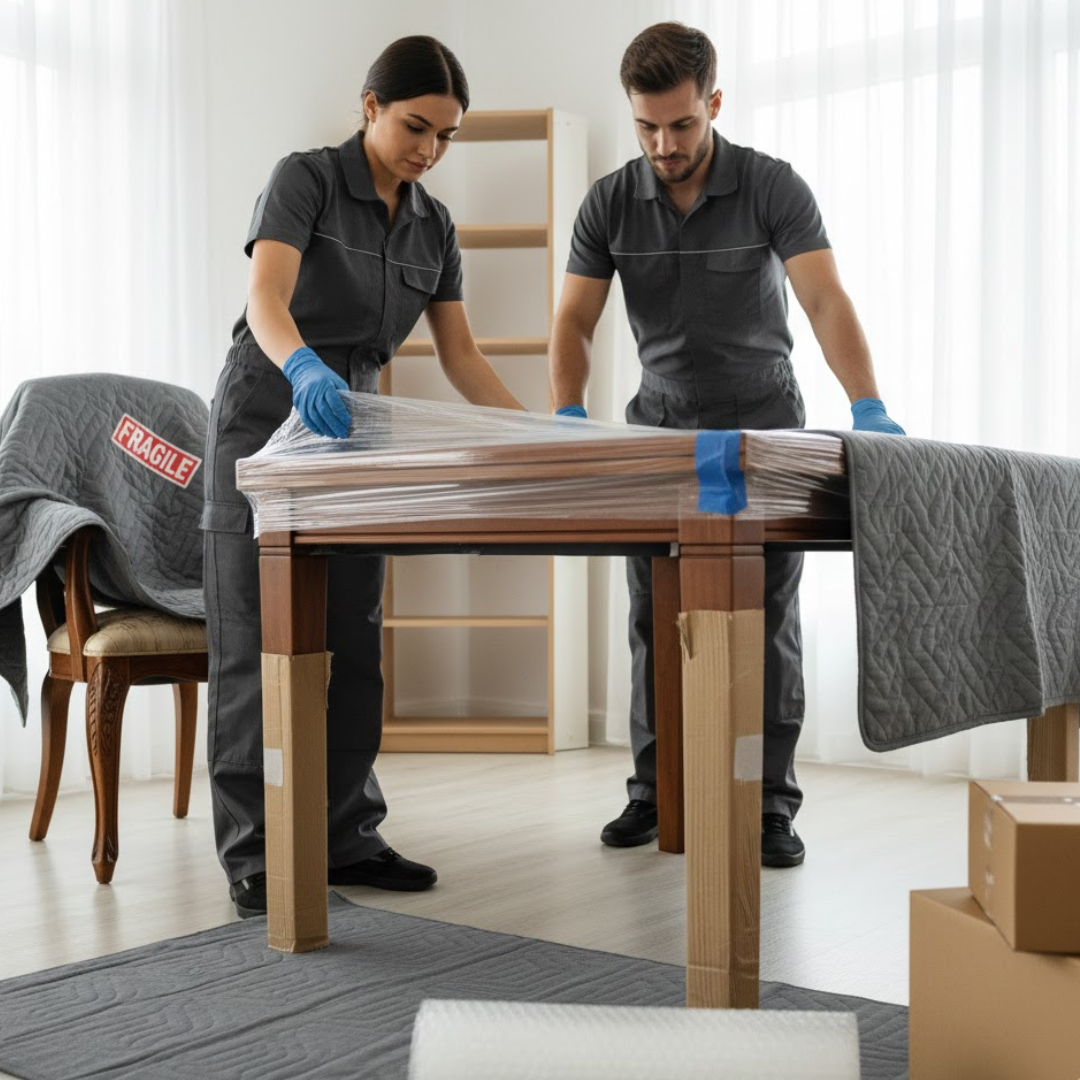
- Furniture blankets or thick moving pads
- Bubble wrap for carved edges, corners, and handles
- Corrugated cardboard sheets for flat surfaces like tabletops
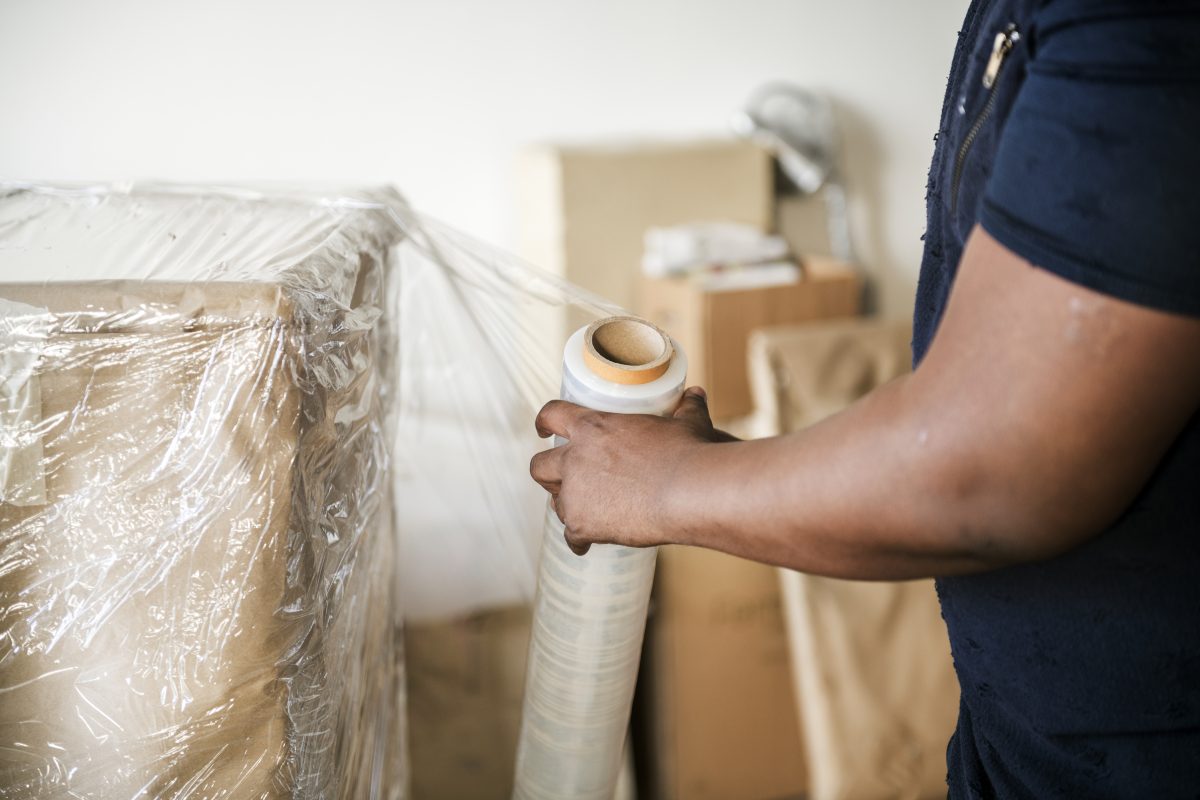
- Stretch wrap to hold padding firmly in place
- Strong packing tape that won’t peel mid-move
Avoid newspaper against bare wood — the ink can transfer and leave permanent stains, especially on lighter timbers.
Step 3: Wrap With Technique, Not Just Materials
How you wrap matters as much as what you wrap with.
- Start with a soft padding layer around the whole piece
- Wrap legs and arms individually so they don’t rub against each other
- Add bubble wrap over corners and protruding details
- Secure everything with stretch wrap or tape — never let tape touch bare timber
- Place cardboard sheets over padded flat surfaces for extra impact protection
Step 4: Guard Against Moisture and Temperature Swings
Queensland humidity is no friend to timber furniture. A few safeguards go a long way:
- Use plastic stretch wrap as an outer layer only — never seal damp furniture inside plastic
- Pop silica gel packs inside wrapped pieces if they’re heading into storage
- Let furniture acclimatise slowly in its new room rather than unwrapping it straight away
Step 5: Load the Truck Strategically
Even perfectly wrapped furniture can still be damaged by careless loading.
- Stand large wooden pieces upright against the truck walls and strap them down
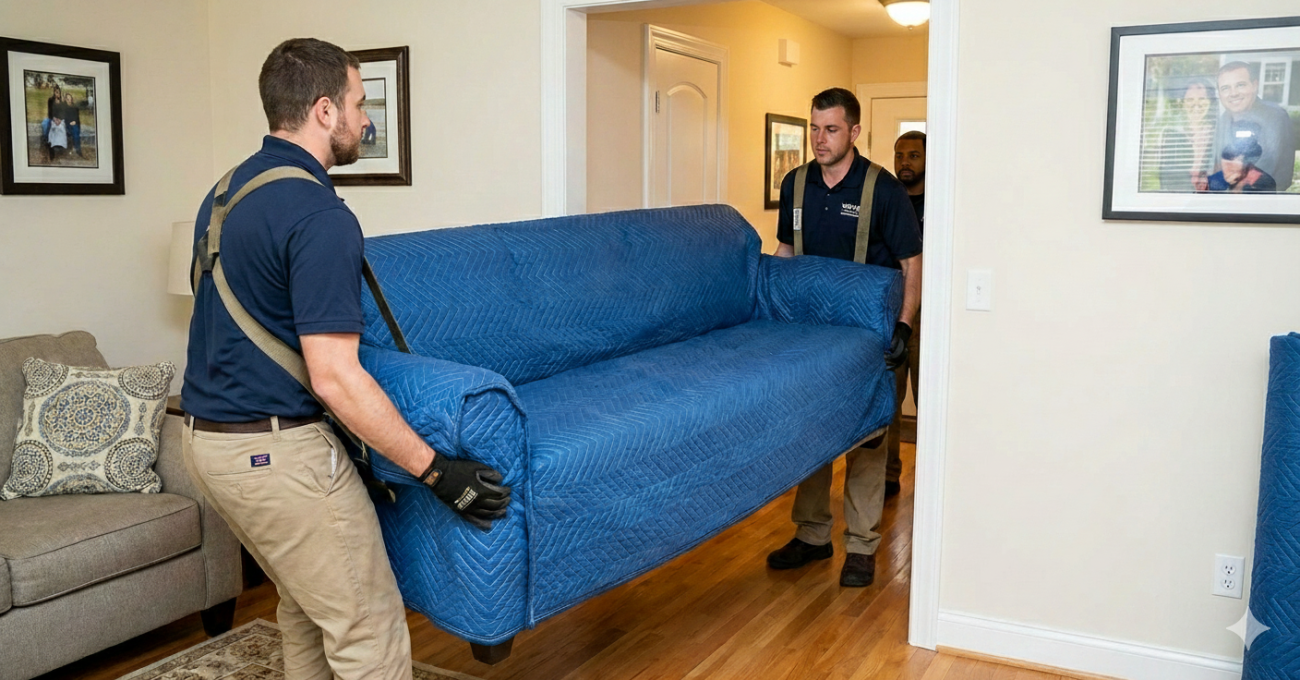
- Use soft items like mattresses and sofas as buffers between hardwood pieces
- Never stack heavy boxes directly on top of wooden surfaces
- Keep anything sharp or metal well away from timber
Step 6: Label Clearly and Briefly Your Movers
A simple “Fragile” or “Handle with Care” label makes a genuine difference, especially if more than one person is helping with the move. If you’re working with a removalist team, flag any antique or high-value pieces before the truck is even loaded.
Step 7: When It’s Worth Calling in the Professionals

DIY packing works fine for everyday items, but antiques, heirlooms, and large hardwood pieces are a different story. This is where a locally trusted House Movers and Packers Sunshine Coast team earns its keep — professional-grade blankets, correct strapping techniques, and years of hands-on experience with exactly this kind of furniture.
At Brocky’s Movers, we handle hardwood furniture the same way every time: clean, wrap, pad, strap, and load with care. It’s a simple process, but it’s the consistency that protects your furniture — whether it’s one dresser or a full house move. If you’re comparing your options, our guide on why locals trust an Affordable Packers & Movers Sunshine Coast team is worth a read before moving day.
Step 8: Unwrap Carefully at the New Home
Don’t rush the unpacking. Remove outer layers slowly, check for condensation, and wipe surfaces gently before repositioning furniture. Reattach legs or shelves only once the piece has settled to room temperature — timber that’s gone from a hot truck to an air-conditioned home needs a little time to adjust.
Final Thoughts
Packing hardwood furniture properly isn’t complicated, but it does take a bit of planning. Clean thoroughly, wrap with the right materials and technique, load strategically, and give your furniture time to settle once it’s home. Whether you tackle it yourself or bring in a Packers and Movers Near Me search result like Brocky’s Movers, a little extra care goes a long way toward keeping your timber furniture looking its best for years to come.
According to the Australian Furniture Association, timber remains one of the most widely used materials in Australian-made furniture — all the more reason to protect it properly during a move. For more on how hardwood behaves and why it’s prized for durability, see Wikipedia’s overview of hardwood.
Frequently Asked Questions
Q1. What is the safest material to wrap wooden furniture in?
Ans. Furniture blankets combined with bubble wrap on corners give the best balance of cushioning and protection for hardwood pieces.
Q2. Should I dismantle my furniture before moving?
Ans. Yes. Removing legs, shelves, or other detachable parts reduces strain on joints and lowers the risk of breakage during transit.
Q3. Can I use cling film directly on wood?
Ans. No — always add a padded layer first. Direct plastic contact can trap moisture against the finish and cause damage.
Q4. How do I stop scratches during loading?
Ans. Load wooden pieces upright, strap them securely, and use soft items like mattresses or cushions as buffers between them.
Q5. Is hiring a professional mover worth it for hardwood furniture?
Ans. For valuable or antique pieces, yes. Experienced local movers use proper equipment and techniques that significantly reduce the risk of damage.
Q6. Do removalists on the Sunshine Coast offer furniture assembly too?
Ans. Many do — Brocky’s Movers, for example, also offers a dedicated Furniture Assembly Sunshine Coast service, so furniture can be pulled apart for the move and put back together at the new home.
Q7. Ready to move your hardwood furniture without the stress?
Ans. Contact Brocky’s Movers today for a free quote and let our experienced Sunshine Coast team handle the heavy lifting — properly, carefully, and on time.