
Moving house is one of those life events that feels manageable until you actually open the first cupboard. Suddenly, years of accumulated belongings need to be sorted, wrapped, boxed, and labelled — all while you’re still living in the home and trying to keep some semblance of normal routine.
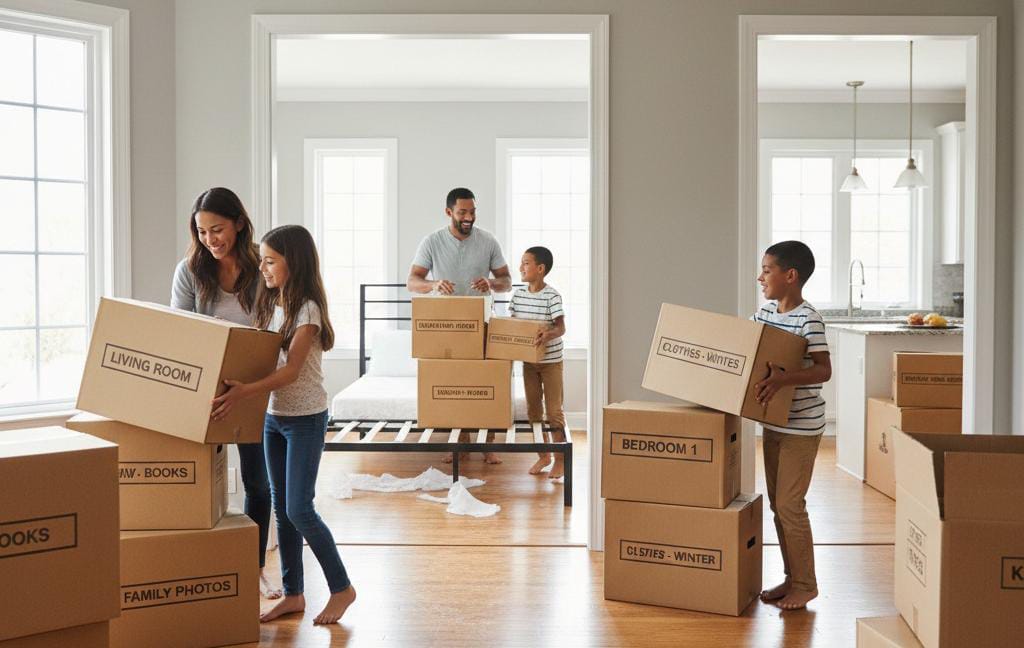
The solution that works best — and the one Brocky’s Movers recommends to every Sunshine Coast family before moving day — is a room-by-room approach. Instead of packing in a frantic scramble across the whole house, you focus on one space at a time, complete it properly, and move on. It’s slower to start but significantly faster overall, and it makes unpacking at the other end far more manageable.
Here’s how to do it properly.
Before You Start: Get Your Supplies Ready
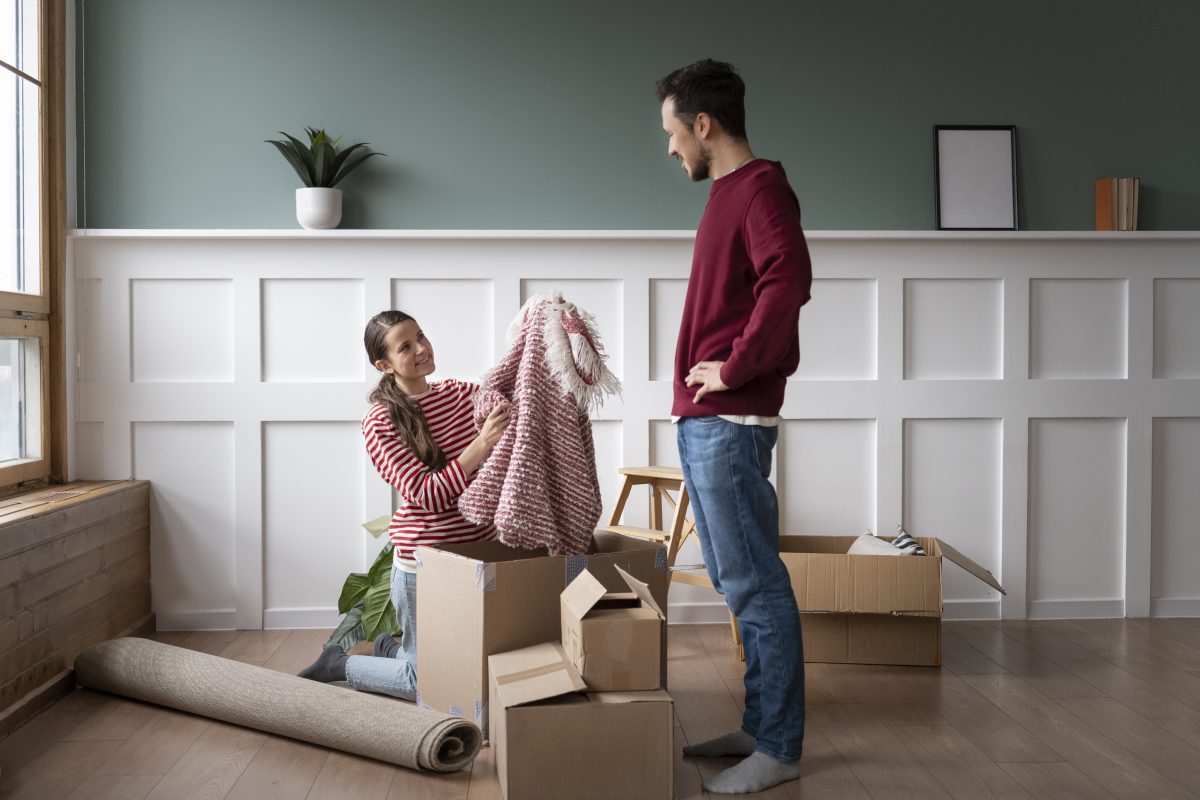
Don’t begin packing until you have everything you need. Running out of bubble wrap halfway through the kitchen leads to improvised packing that damages things. For a standard Sunshine Coast home, you’ll typically need:
- Strong double-walled boxes in a range of sizes
- Bubble wrap and packing paper (not newspaper — ink transfers)
- Packing tape and a good tape gun
- Permanent markers for labelling
- Coloured stickers or tape for room coding
- Vacuum storage bags for bedding and clothing
Buy more than you think you need. Leftover boxes are easily returned or passed on; running short mid-pack is genuinely stressful.
Step 1: Start With Rooms You Use the Least
The golden rule of packing is to start where you’ll feel the least disruption. Spare bedrooms, guest rooms, storage rooms, and garages all fit this description.
Pack these first:
- Seasonal clothing and extra bedding
- Stored décor, display items, and keepsakes
- Excess linen and towels
- Items from storage cupboards that haven’t been touched in months
This builds momentum without cutting into your daily routine. It also gives you a clear sense of how much you actually own — which often prompts a useful declutter before the real packing begins.
Step 2: Kitchen — Your Most Time-Consuming Room
Most Sunshine Coast homeowners underestimate how long the kitchen takes. Between fragile glassware, awkward appliances, and half-used pantry items, it’s genuinely the most complex room in the house.
Work through it in this order:
- Declutter first — throw out expired food, donate duplicates, and clear anything you won’t use again
- Pack glassware individually in packing paper, standing upright in boxes with dividers
- Wrap plates in paper and pack them on their edge, not flat — flat-packed plates break more easily
- Label every box FRAGILE clearly on the top and at least two sides
- Use tea towels and cloths between pots and pans to prevent scratches
- Pack small appliances in their original boxes where possible, or wrap firmly in bubble wrap
Leave a small box for kitchen essentials — a kettle, a mug, coffee, and basic cooking items — until the very last moment.
Step 3: Living Room — Electronics and Décor
The living room usually contains your most valuable electronics and your most irreplaceable personal items.
Before unplugging anything: Take a photo of how cables are connected behind your TV and entertainment unit. It takes 10 seconds and saves 20 minutes of frustration at the other end.
Then pack in this order:
- Wrap individual cables, label them, and pack with their device
- Pack remotes in a clearly labelled bag attached to the TV box
- Wrap picture frames and artwork in packing paper, then bubble wrap, and pack vertically
- Pad lamps at the base and shade separately
- Wrap ornaments and décor individually — never pack them loose
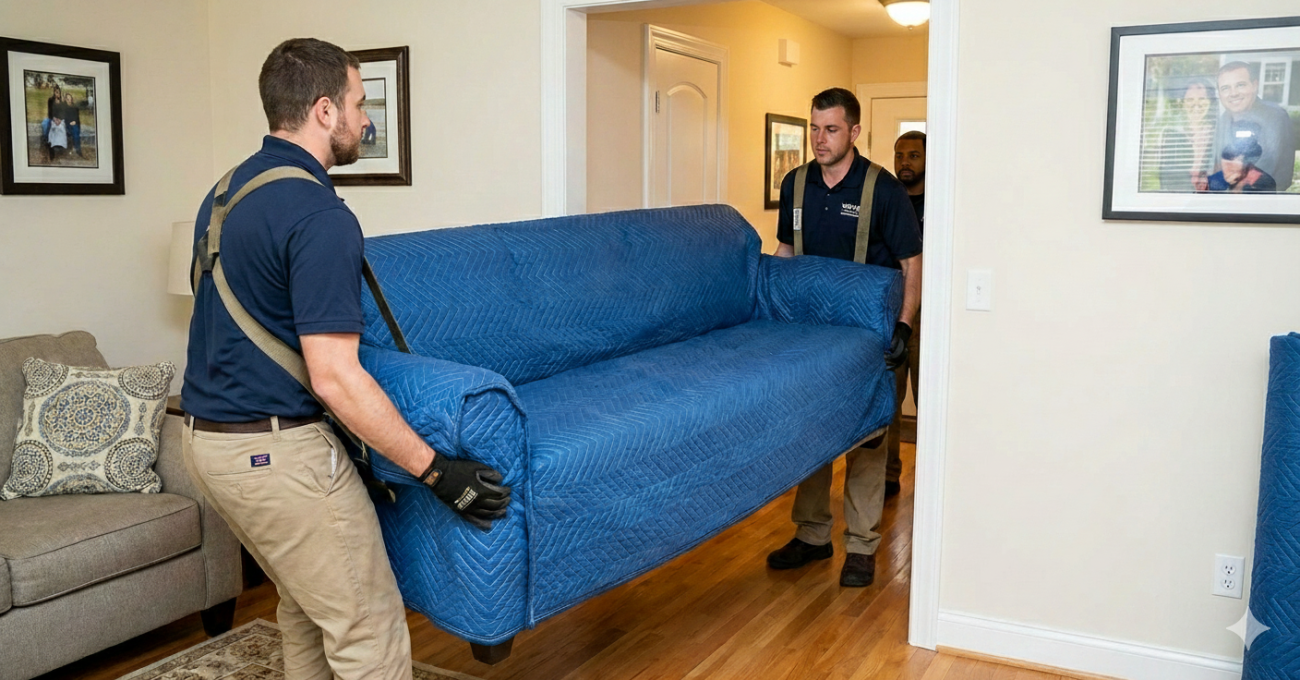
For large TVs and entertainment units, Brocky’s Movers provides furniture delivery and moving services on the Sunshine Coast with proper equipment for safe handling of oversized items.
Step 4: Bedrooms — Clothing, Bedding, and Personal Items
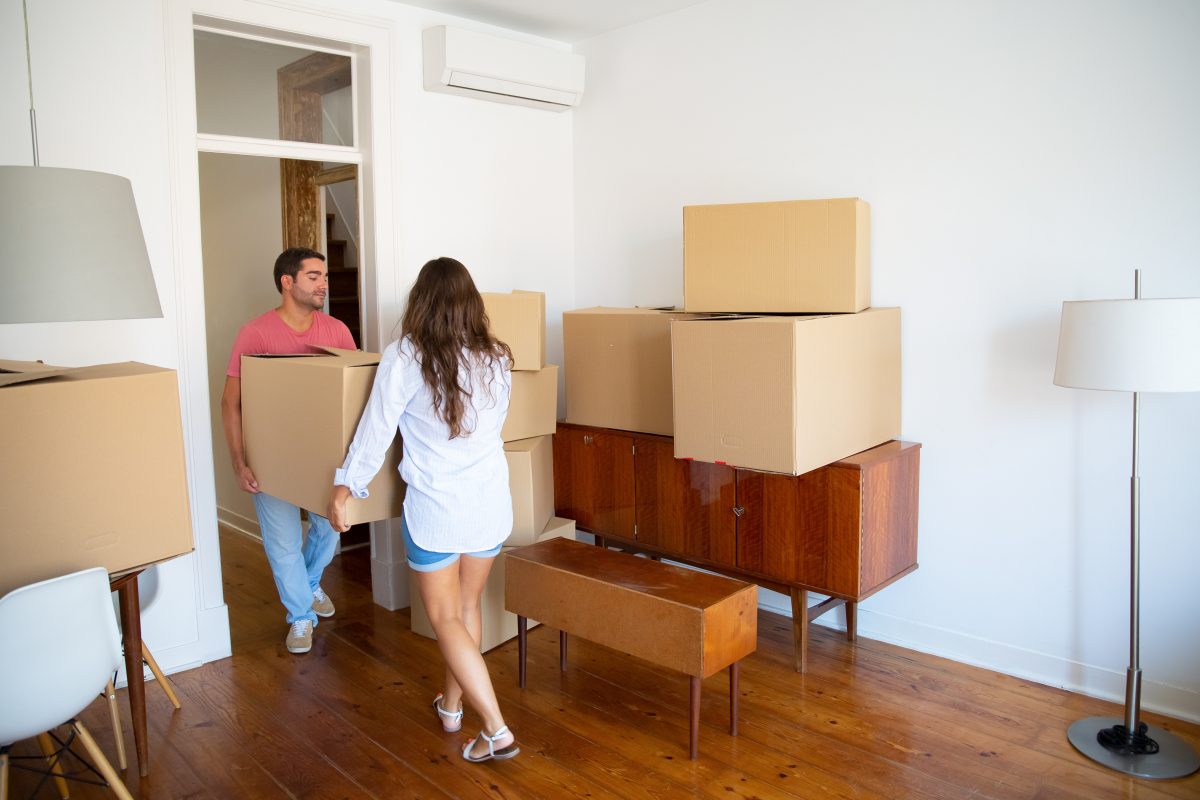
Bedrooms are emotionally loaded spaces and often contain sentimental items that need extra care.
Pack in this order:
- Use vacuum storage bags for bulky duvets, pillows, and out-of-season clothing — they compress dramatically and save significant box space
- Pack out-of-season clothing first, then work forward to current wardrobe
- Keep a separate overnight bag aside with enough clothing, toiletries, and essentials for two nights
- Wrap jewellery carefully and transport valuables yourself rather than in the moving truck
- Label all bedroom boxes with both the room name and a brief content description: “Main Bedroom — Winter Clothing”
Step 5: Bathroom — Pack Last, Use Until Moving Day
Bathrooms are one of the last rooms to pack because you need them functioning until the day you leave.
When you do pack:
- Discard expired products before packing anything
- Seal all liquid bottles with tape across the lid — Queensland heat can cause pressure changes that pop lids in transit
- Wrap glass perfume bottles and jars individually
- Pack cleaning products together in a sealed bag inside a box, clearly labelled
Keep a small bag of daily essentials — toothbrush, soap, medication, and a towel — set aside for moving day itself.
Step 6: Home Office — Documents and Electronics
Your home office contains items that are both financially valuable and difficult to replace.
Key steps:
- Back up all digital files before packing any computer equipment
- Photograph monitor setups before disconnecting cables
- Pack laptops and monitors in padded sleeves or original boxes
- Organise important documents into labelled folders and transport these personally — don’t put original passports, financial documents, or legal paperwork in a moving box
- Keep all chargers and peripherals in labelled bags with their device
Step 7: Garage, Shed, and Outdoor Areas
These areas are often left until last — but they can take as long as two rooms combined.
- Drain fuel from mowers, trimmers, and any petrol-powered equipment before packing or loading
- Remove batteries from power tools to prevent accidental activation
- Pack small hardware, screws, and fixings in clearly labelled ziplock bags
- Wrap garden tools with padding to protect edges and protect other items
- Use heavy-duty boxes for cleaning products and seal lids securely
The “First Night” Box — Don’t Skip This
Before you tape up your last box, pack one “first night” essentials box and keep it with you — not on the truck. This box should contain:
- Phone and laptop chargers
- Toiletries and a towel
- Bedding or a sleeping bag
- Basic food, a kettle, and mugs
- Any medication
- A change of clothes
- Important documents and house keys
When you arrive at your new Sunshine Coast home exhausted, this box is the only one that needs to be opened that night.
Label Everything — It Saves Hours at the Other End
Clear, consistent labelling is one of the biggest time savers on moving day. Use a permanent marker and label every box on the top and two sides with:
- The destination room
- Brief contents note
- “FRAGILE” where relevant
Colour-coded tape by room makes it even faster — movers can place boxes directly into the right room without reading every label.
When Professional Help Makes Sense
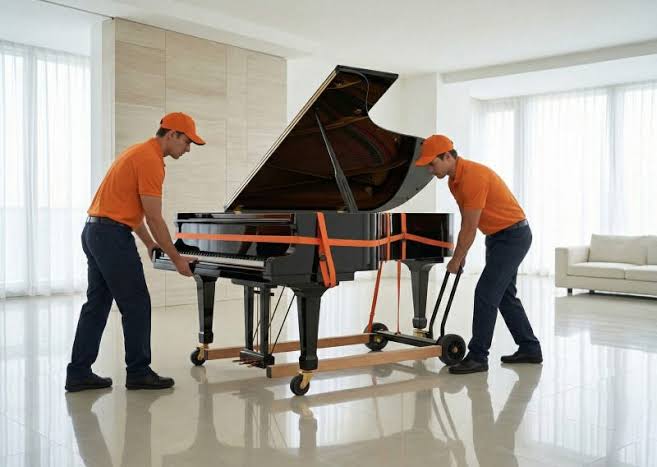
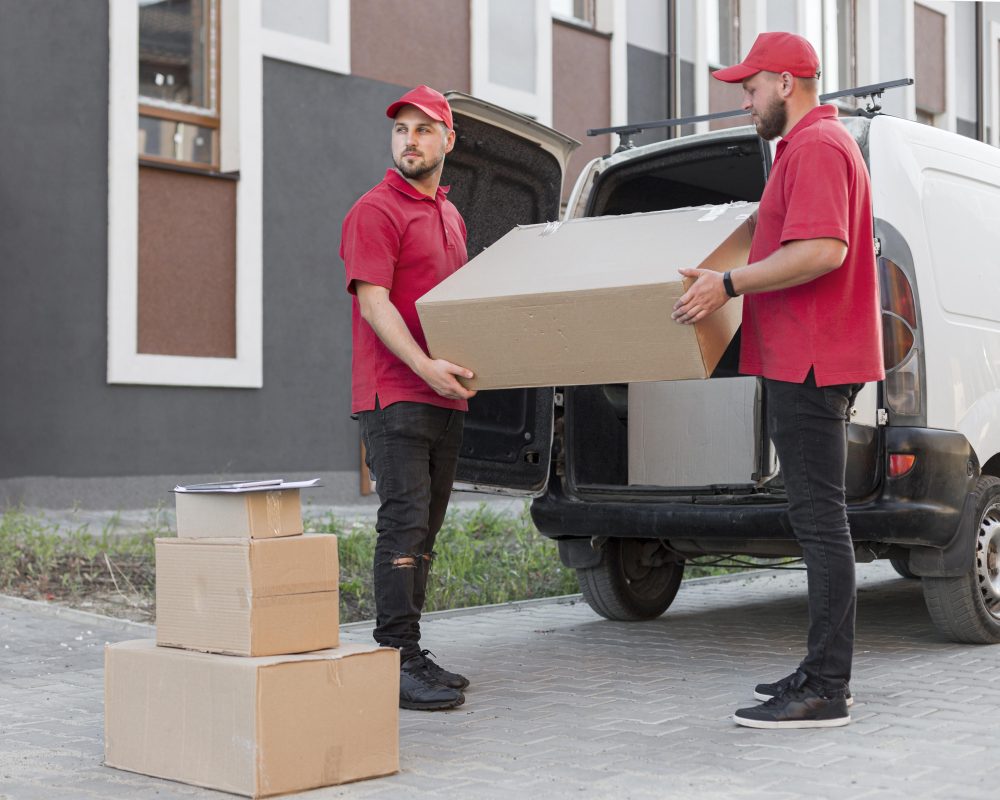
A room-by-room packing strategy handles the logistics of wrapping and boxing well. But when it comes to actually lifting and transporting heavy furniture, appliances, and fragile items, Sunshine Coast families consistently find that professional help saves time, prevents injury, and protects their belongings.
Brocky’s Movers offers house moving services on the Sunshine Coast — from packing support through to furniture placement at your new address. We’re an affordable, reliable local team who know the Sunshine Coast’s streets, buildings, and access challenges from Caloundra to Noosa.
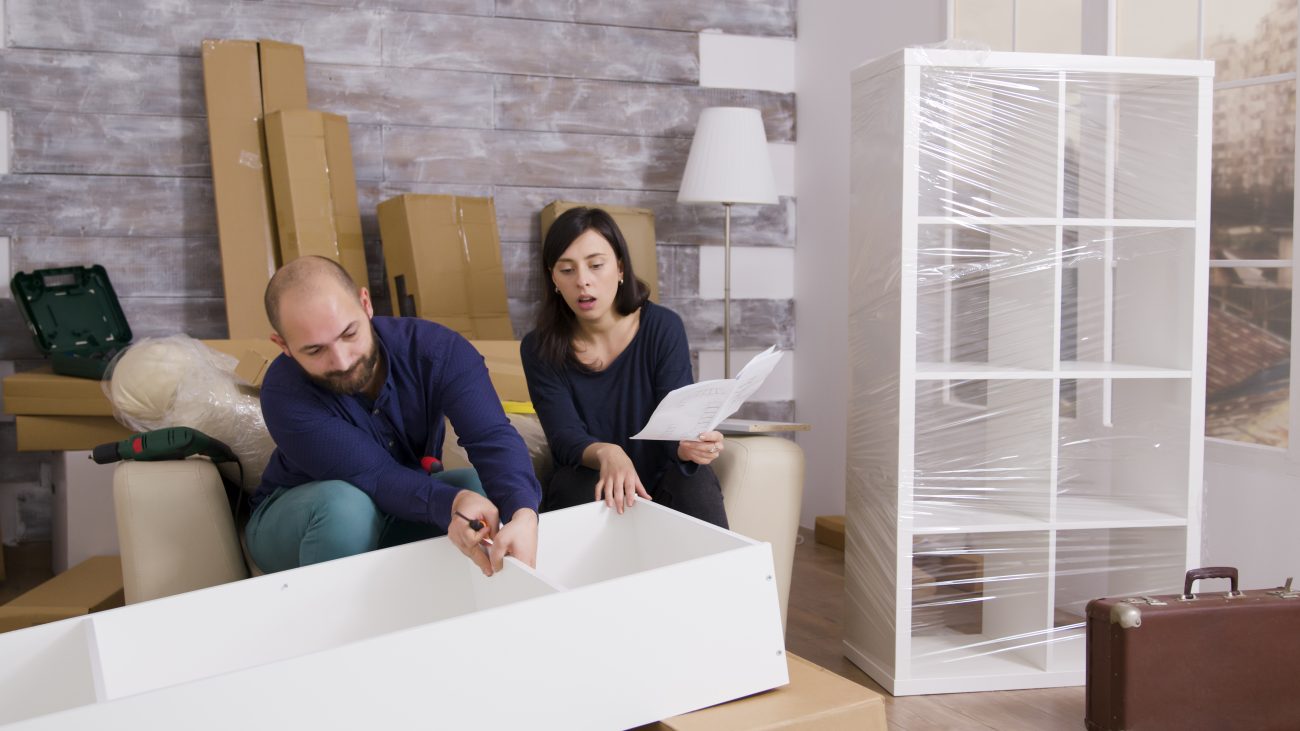
We also provide furniture assembly on the Sunshine Coast once you arrive — so beds, wardrobes, and flat-pack pieces go back together correctly without you having to do it all after a long moving day.
Final Word
Packing room-by-room isn’t complicated — it’s just disciplined. Start early, work through one space at a time, label everything clearly, and keep your essentials separate. Do that, and moving day becomes an execution exercise rather than a scramble.
Ready to book your Sunshine Coast move? Get in touch with Brocky’s Movers or call 0466 991 506 for a straightforward quote. We’re a local Sunshine Coast team — affordable, reliable, and genuinely easy to deal with.
Frequently Asked Questions
Q: What is the best order to pack rooms when moving house?
A: Start with rooms you use the least — spare bedrooms and storage — then work toward high-use areas like the kitchen and bathroom last.
Q: How far in advance should I start packing for a Sunshine Coast home move?
A: Start 4–6 weeks before moving day for a standard home, or 6–8 weeks for larger properties with significant storage areas.
Q: What should I put in a first-night essentials box?
A: Chargers, toiletries, bedding, basic food, medication, a change of clothes, and important documents — everything you need without opening any moving boxes.
Q: How do I pack fragile kitchen items safely?
A: Wrap glassware individually in packing paper, pack plates on their edge with dividers, and label all boxes clearly as FRAGILE on the top and two sides.
Q: Does Brocky’s Movers help with packing on the Sunshine Coast?
A: Brocky’s Movers provides full house moving services across the Sunshine Coast, including furniture transport, delivery, and assembly at your new address.
Q: Should I hire professional movers for a Sunshine Coast house move?
A: Yes, for heavy furniture, appliances, and fragile or high-value items — professional movers have the right equipment and reduce the risk of injury and damage.