

Safe piano moving starts with accurate measurements, not lifting or loading. Pianos are heavy, unbalanced, and sensitive to pressure, which means even small clearance errors can cause damage to walls, door frames, or the instrument itself. This step-by-step guide explains how to measure a piano correctly, assess doorways, hallways, stairs, and vehicle access, and plan a clear route before moving day. By following this piano-moving measurement guide, homeowners can reduce risks, avoid last-minute obstacles, and prepare for a smooth relocation. Careful preparation is critical to protecting both the piano and the property during transport.
Why Measuring Matters Before Moving a Piano
Many piano-moving problems happen before the piano is even lifted. Incorrect assumptions about space, clearance, or angles often lead to scratches, broken legs, damaged pedals, or personal injury.
Safe piano moving depends on knowing the exact dimensions and understanding how the piano will travel from its current position to the moving vehicle. Measuring allows you to identify tight turns, narrow doorways, or height restrictions early rather than discovering them during the move.
Step 1: Measure the Piano Itself
Start with the piano’s physical size. Use a tape measure and record the following:
- Height: From floor to top
- Width: Side to side across the keyboard
- Depth: Front to back
Upright pianos are usually taller than they are deep, while grand pianos are wider and longer. These dimensions form the baseline for every other measurement you take.
This step is essential when preparing for a piano move, as even small variations between models can affect clearance.
Step 2: Measure Doorways and Entry Points
Next, measure every doorway the piano must pass through:
- Door width (frame to frame)
- Door height
- Door swing clearance
Do not forget screen doors, security doors, or internal doors that may open inward. Many pianos require that doors be temporarily removed to create sufficient space.
This part of the piano moving measurements guide helps prevent last-minute dismantling or forced manoeuvres that increase risk.
Step 3: Measure Hallways, Corners, and Turns
Hallways and corners often cause more issues than doors. Measure:
- Hallway width
- Ceiling height
- Turning radius at corners
If a hallway turns sharply, measure the diagonal clearance. Pianos cannot bend, so straight-line clearance matters more than floor space.
This is one of the most overlooked steps for moving a piano safely, especially in older homes.
Step 4: Check Staircases Carefully
If stairs are involved, measure:
- Stair width
- Ceiling clearance above stairs
- Landing sizes
- Handrail positioning
Stairs require additional space for handling and controlled angles. Measuring here helps determine whether extra manpower, lifting straps, or alternate routes are needed.
According to Moving.com, stairs are among the highest-risk areas for transporting heavy items due to balance and weight distribution.
Step 5: Measure Lift or Elevator Access (If Applicable)
For apartments or commercial buildings, check lift dimensions:
- Door width
- Internal lift depth and width
- Weight limits
Even if the piano fits inside, lifts must support the combined weight of the piano and moving equipment. This step is critical to safe piano moving in multi-storey buildings.
Step 6: Assess Exterior Access and Vehicle Positioning
Measure the distance and slope between the building exit and the moving vehicle:
- Path width
- Ground slope
- Kerb height
- Driveway access
Vehicle access affects ramp angles and loading safety. Measuring ahead helps movers plan positioning and loading methods.
Guidance from Emconservices.co.uk highlights that uneven outdoor surfaces significantly increase the risk of slips and instrument damage.
Step 7: Plan the Route on Paper
Once measurements are complete, map the route step by step:
- Piano location → doorway → hallway → stairs → exit → vehicle
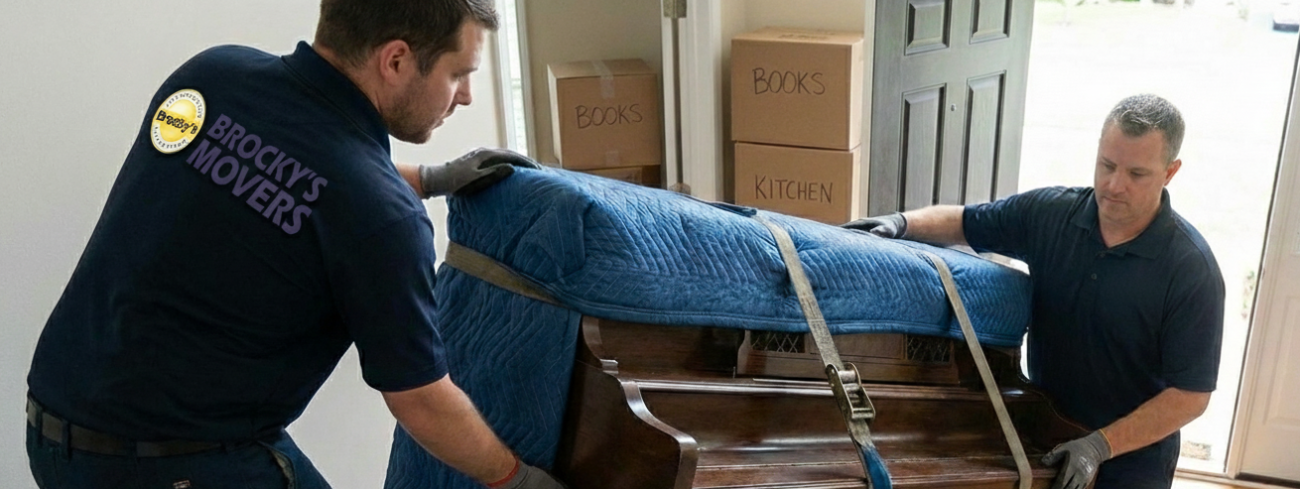
Identify pinch points and clearance margins. This planning stage is a core part of steps for moving a piano safely and helps avoid rushed decisions on moving day.
Step 8: Prepare the Piano Based on Measurements
After measuring, prepare the piano accordingly:
- Remove music stands or legs if needed
- Secure the keyboard lid
- Wrap corners and edges
- Protect pedals and casters
Proper preparation supports piano-moving safety by reducing pressure on vulnerable components.
Step 9: Understand When Professional Help Is Required
Measurements sometimes reveal that a piano cannot be moved safely without trained support. Narrow staircases, steep angles, or minimal clearance often require professional handling.
For broader moving needs involving heavy furniture, professional House Movers services can help manage access planning and lifting coordination:
You can also review how experienced teams plan complex moves by checking
Step 10: Final Pre-Move Checklist
Before moving day, confirm:
- All measurements are recorded
- The route is clear of obstacles
- Doors are removable if required
- Equipment matches space limitations
Why Measuring Reduces Risk
Safe piano moving relies on preparation rather than strength. Measuring protects:
- The piano’s internal structure
- Floors, walls, and door frames
- Movers and household members
Skipping this step often leads to rushed adjustments, increasing the risk of accidents.
Final Thoughts and Professional Support
Accurate measuring is the foundation of a successful piano move. From doorways to staircases, every centimetre matters when handling a heavy and delicate instrument.
For safe, careful piano handling as part of a broader moving service, contact Brocky’s Movers. Their experienced team provides reliable solutions designed to protect valuable furniture and instruments throughout the moving process.
FAQs
1. How early should I measure before moving a piano?
Measure at least one week before the move to allow time for planning or adjustments.
2. Do I need to measure if professionals are moving the piano?
Yes. Your measurements help movers plan equipment and access requirements.
3. What is the most common measurement mistake?
Ignoring hallway corners or stair clearance.
4. Can doors be removed to increase space?
Yes, removing doors often provides critical clearance.
5. Is measuring enough for safe piano moving?
Measuring is essential, but proper equipment and handling experience are equally important.