

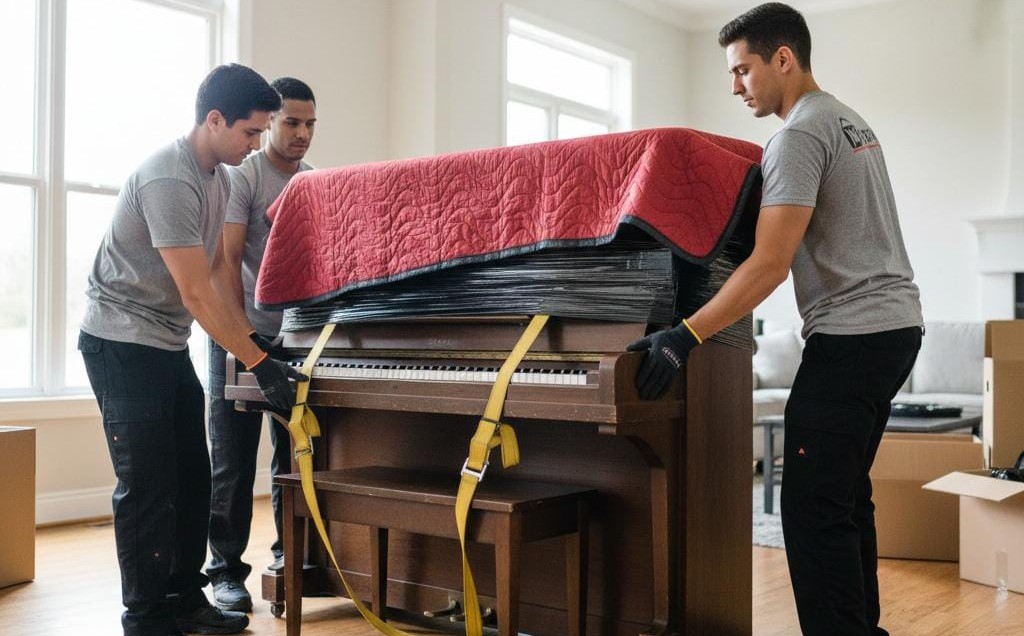
Relocating a piano involves much more than moving standard household furniture. Because of their heavy construction, sensitive internal components, and uneven weight distribution, pianos are especially prone to damage when mishandled. This guide outlines why piano moves demand special care, the potential risks involved, and how moving damage often occurs without proper planning and support. From safeguarding the soundboard to reducing stress on the frame and legs, careful handling is essential. Whether you are moving an upright or a grand piano, understanding these risks helps protect your instrument and maintain its performance over time.
Why Pianos Are So Easy to Damage During a Move
Pianos may look sturdy, but their design includes many delicate components. The slightest impact, tilt, or vibration can cause internal problems. Most pianos contain more than 200 strings, small wooden parts, and a sensitive soundboard. Even changes in temperature or humidity can affect tuning and mechanical stability.
During a move, pianos face:
- Sudden shifts in pressure
- Uneven weight distribution
- Accidental impacts
- Floor vibrations
- Temperature fluctuations
These risks make pianos one of the hardest household items to move, requiring careful technique and strong protective equipment.
Common Types of Damage That Occur During a Move
1. Soundboard Cracks
The soundboard is one of the most fragile parts of a piano. Even minor pressure or unpredictable weather changes during transport can cause cracking.
2. Broken Keys or Pedals
Keys and pedals are exposed and easy to damage if not covered or secured.
3. Cabinet Scratches and Dents
Even a small bump against a wall or doorway can mark the piano’s polished finish.
4. Frame and Leg Stress
Piano legs are not designed to support angled lifting. Incorrect handling can cause cracks or leg damage.
5. Tuning Instability
Movement often affects tension on the strings, leading to tuning issues that require professional correction.
If you’re preparing for a move and want to understand more about professional moving practices, you can check the company’s About Us section.
Why DIY Piano Moving Is Risky
Many homeowners attempt to move a piano themselves, assuming it is similar to moving a heavy table or cabinet. Unfortunately, this often leads to expensive damage or personal injury.

Problems with DIY moves include:
- Not using proper dollys or lifting straps
- Incorrect lifting angles
- No protective padding
- Underestimating the piano’s weight
- Dropping or tilting the piano during transport
Some upright pianos weigh between 180–270 kg, and grand pianos can exceed 450 kg. This weight requires trained movers and specialised equipment.
External guides like Moving.com heavy furniture handling tips and Good Housekeeping moving safety advice offer additional insights.
How Professional Piano Movers Protect Your Instrument
Professional movers follow specific methods to keep your piano safe from start to finish.
1. Use of specialised equipment
High-quality piano trolleys, skid boards, and heavy-duty straps prevent sudden movement and distribute weight evenly.
2. Wrapping and Padding
Movers wrap your piano with blankets, foam padding, and straps to prevent scratches and internal shocks.
3. Proper Disassembly (When Required)
For grand pianos, movers may remove the legs and lyre to prevent pressure damage.
4. Skilled Lifting Techniques
Movers lift from the correct points to avoid damaging internal components.
5. Safe Transportation
Pianos are placed securely inside the vehicle to avoid shaking or rolling during transit.
If you’re moving your entire home and need help with large or fragile items, here is a helpful internal link about House Movers
Environmental Factors That Affect Pianos During a Move
Pianos are sensitive to environmental changes. Sudden temperature drops or rises can cause wood to expand or contract, affecting tuning and structural integrity.
Common temperature-related risks:
- Humidity causing swelling
- Dry conditions are causing cracking
- Rapid transitions affecting glue joints
External references like NSW Fair Trading moving guidelines and Energy.gov household climate information provide additional insights into environmental risk management
Steps to Prepare Your Piano Before Moving Day
Homeowners can help reduce risks by preparing the piano correctly.
1. Close and Lock the Keyboard Lid
This prevents keys from bouncing or breaking.
2. Remove Accessories
Metronomes, sheet music, and lamps should be packed separately.
3. Measure Doorways
Ensuring the piano fits through all exits reduces accident risk.
4. Plan the Route in Advance
Knowing where movers will go helps avoid tight turns and obstacles.
Unpacking and After-Move Care
Once the piano arrives at the new home, extra care is still needed.
Important steps:
- Allow the piano to rest 24–48 hours to adapt to the climate
- Inspect for visible damage
- Schedule tuning after a week
- Avoid placing the piano near heaters or windows
Environmental settling is normal and may temporarily affect sound quality.
Should You Move Your Piano Yourself?
If your piano is sentimental or valuable, or if your home layout includes stairs, tight hallways, or uneven floors, moving it yourself is risky. Professional movers not only protect the instrument but also reduce the risk of injuries.
External guides, such as CNET’s moving large items and Consumer Affairs’ moving safety tips, offer more practical advice
Final Thoughts & Professional Assistance
Pianos are beautiful, complex instruments that require careful handling. Damage caused during a move can be costly and difficult to repair. Using professionals reduces risks and keeps your piano safe every step of the way. Whether you’re moving locally or preparing for a bigger transition, proper care and planning make all the difference.
For safe, efficient, and careful piano transport or home moving support, reach out to Brocky’s Movers through their Contact Us.
You can also return to the Brocky’s Movers website to explore all services.
FAQs
1. Can moving a piano affect tuning?
Yes, vibration and environmental changes often cause tuning issues.
2. Is it safe to lay a piano on its side?
For grand pianos, yes—when disassembled correctly. Upright pianos should stay upright.
3. How much does a piano weigh?
Upright pianos range from 180–270 kg; grand pianos can exceed 450 kg.
4. Do pianos need tuning after moving?
Yes, most require tuning within 1–2 weeks of settling.
5. Can movers handle stairs?
Professional movers use equipment and techniques to move pianos safely on stairs.