

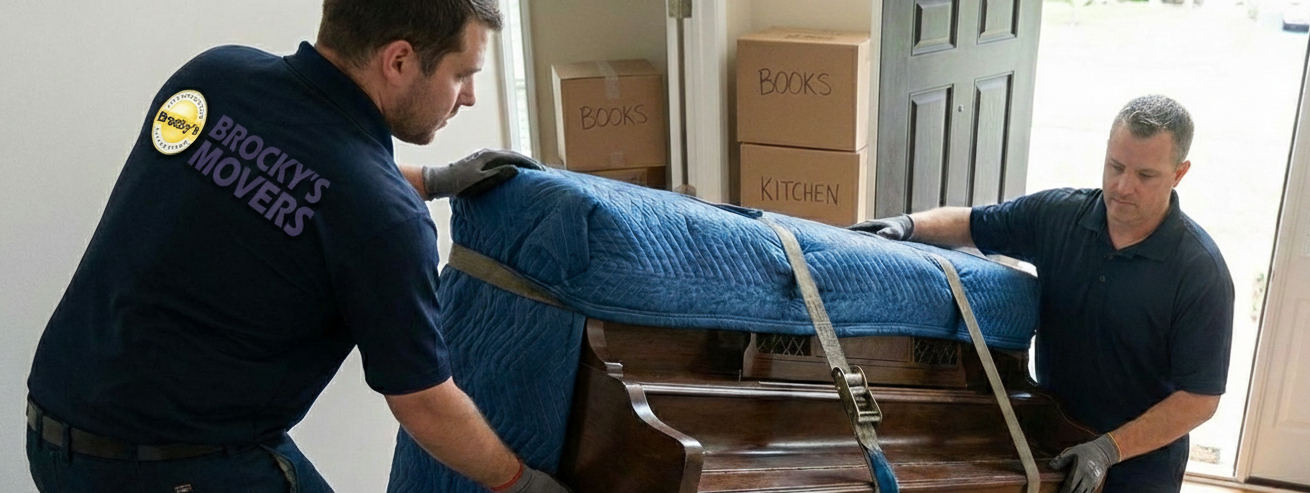
A specialist piano mover plays a critical role in protecting one of the most delicate and valuable items in any home. Pianos are heavy, unbalanced, and contain sensitive internal components that can be damaged during lifting, transport, or improper positioning. This guide explains why professional piano moving services are important, the risks of DIY handling, and how trained piano moving experts ensure safe transportation. From upright pianos to grand models, understanding proper preparation, equipment, and handling techniques helps prevent costly damage and keeps your instrument safe throughout relocation.
Why Pianos Require Specialist Moving Skills
Pianos are unlike standard furniture. While they appear solid on the outside, their internal construction includes fine wooden components, strings under high tension, and precision mechanisms that respond to even small impacts. A slight twist or drop can affect tuning stability or cause structural damage.
Hiring a specialist piano mover ensures your instrument is handled by professionals trained to manage weight distribution, balance, and access challenges, including stairs, narrow hallways, or uneven flooring. Professional piano relocation services reduce the risk of cracks, broken legs, damaged pedals, or internal alignment problems.
Common Risks of Moving a Piano Without Professional Help
Attempting to move a piano without proper experience often leads to avoidable damage. Common risks include:
- Back and shoulder injuries from improper lifting
- Scratched floors and damaged walls
- Broken piano casters or legs
- Soundboard stress caused by uneven pressure
- Internal component shifting during transport
According to manwithvanforesthill, improper handling of heavy objects significantly increases the risk of injury, especially when the weight distribution is uneven.
This is why many homeowners choose to hire a piano mover rather than risk personal injury or damage to their piano.
What Professional Piano Moving Services Include
Professional piano moving services involve much more than lifting and loading. Trained movers assess the piano type, access points, and environmental factors before transport begins. Key steps usually include:
- Securing lids, keys, and pedals
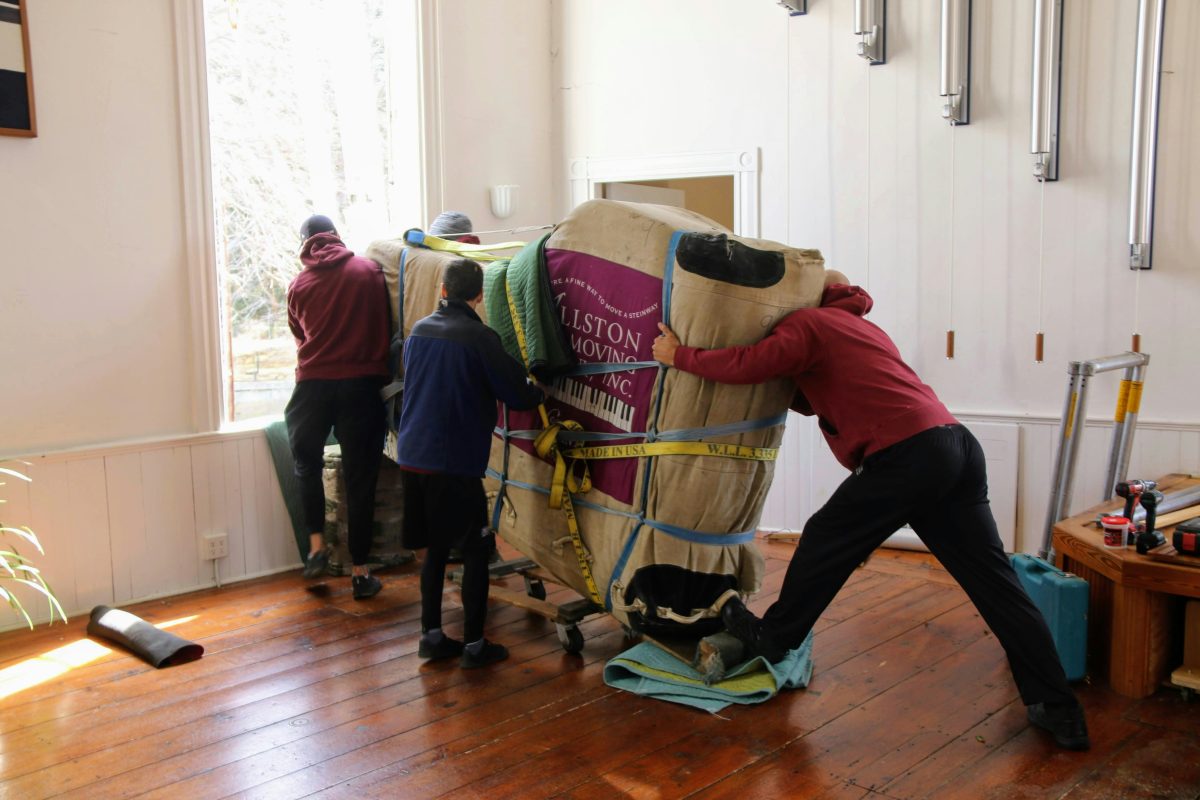
- Wrapping the piano with padded blankets
- Using specialist dollies and straps
- Maintaining upright positioning for stability
- Controlled loading and unloading techniques
These steps are essential for safe piano transportation, especially for heavier upright or baby grand models.
Upright vs Grand Piano Handling Differences
Different piano styles require different moving techniques.
Upright Pianos
Upright pianos are tall and narrow, making them prone to tipping if handled incorrectly. Their height shifts the centre of gravity, which requires careful balance control during movement.
Grand Pianos
Grand pianos involve partial disassembly, including removing legs and pedals. Each component must be protected and reassembled correctly at the destination.
This level of care is why piano moving experts use customised methods rather than general furniture-moving approaches.
Planning Your Piano Move Properly
Preparation plays a major role in protecting your instrument. Before moving day, it helps to:
- Measure doorways, stairwells, and hallways
- Clear pathways inside and outside the home
- Protect floors with mats or boards
- Avoid exposure to rain, heat, or humidity
Australian consumer advice on moving homes highlights that planning ahead reduces damage and unexpected costs during relocation.
Good preparation supports smoother piano relocation services and minimises stress.
Insurance and Accountability During Piano Transport
Professional piano movers typically carry transit insurance that covers accidental damage. This adds an extra layer of protection that DIY moves cannot offer.
When you hire a piano mover, always confirm coverage details and handling procedures. Professional accountability ensures your piano is treated with care from pickup to placement.
When Piano Moving Is Part of a Full Home Relocation
Many households move pianos during broader residential relocations. In these cases, it’s helpful to coordinate piano transport alongside general household moving schedules.
If your piano move is part of a larger relocation, working with experienced house movers can help streamline logistics while keeping specialist handling separate for delicate items.
This approach reduces delays and protects both furniture and instruments.
Choosing the Right Time and Conditions for Moving
Environmental factors such as heat, humidity, and sudden temperature changes can affect wooden instruments. Scheduling piano moves during mild weather conditions helps prevent expansion, contraction, or finish damage.
Professional movers understand how climate affects instruments and adjust handling methods accordingly to maintain instrument stability during transport.
Why Experience Matters More Than Strength
Moving a piano safely isn’t about physical strength alone. It requires:
- Knowledge of weight distribution
- Awareness of pressure points
- Proper lifting angles
- Experience with stairs and tight spaces
This is why professional piano moving services rely on training, not just manpower. Skilled handling protects both people and instruments.
Final Thoughts: Protecting Your Piano the Right Way
A piano is often one of the most valuable and sentimental items in a home. Trusting its movement to untrained hands can result in damage that is difficult or expensive to repair.
For homeowners planning a move, choosing a specialist piano mover offers peace of mind, safer transport, and long-term protection for the instrument.
If you’re organising a move and want careful handling as part of a broader relocation service, Brocky’s Movers offers experienced solutions designed to protect valuable furniture and instruments from start to finish.
FAQs
1. Why should I hire a specialist piano mover?
A specialist piano mover understands weight balance, internal components, and handling techniques that prevent damage during transport.
2. Can regular furniture movers move a piano safely?
Most general movers lack the equipment and training required for safe piano transportation.
3. How long does a piano move usually take?
The duration depends on piano type, access points, and distance, but professional planning keeps delays minimal.
4. Is piano moving insured?
Professional piano relocation services usually include transit insurance—always confirm coverage beforehand.
5. Should a piano be tuned after moving?
Yes. Most pianos benefit from tuning after relocation due to movement and environmental changes.