
Moving a piano incorrectly can cause scratches, broken components, damaged keys and costly repairs. Pianos are heavy, delicate instruments that require careful handling, suitable equipment and proper transport methods. Common risks include uneven lifting, dropped instruments, damaged legs, temperature changes and poor storage conditions. Hiring experienced Prestige Piano Movers Sunshine Coast customers can consider helps reduce these risks when relocating an upright or grand piano. This guide explains seven problems that can occur during a piano move, how to protect your instrument and when professional piano removals Sunshine Coast services may be the safer option for your home or business relocation.
Can Moving a Piano Incorrectly Damage It?
Yes. Moving a piano without suitable equipment or careful planning can damage its exterior, internal mechanism and supporting structure. Even a small upright piano can be difficult to manoeuvre through narrow hallways, staircases and doorways.
Pianos contain thousands of moving parts, and their weight is not evenly distributed. Attempting to move one without the right preparation can put both the instrument and the people handling it at risk.
For homeowners planning a relocation, professional Piano Moving Service Sunshine Coast support can help reduce the chance of damage during lifting, loading and transport.
7 Risks of Moving a Piano Incorrectly
1. Scratches, Dents and Surface Damage
Piano finishes can be scratched or marked when the instrument rubs against walls, doorframes, floors or other furniture. Polished finishes may show even minor marks.
Dragging a piano across the floor or moving it without protective padding can also damage timber flooring and tiles.
How to reduce the risk: Use suitable moving blankets, protective wrapping and floor coverings. Plan the route before lifting the piano, and keep the path clear of obstacles.
2. Broken Legs and Structural Damage
A piano’s weight places considerable pressure on its legs and supporting frame. Lifting it from an unsuitable point, tilting it too far or allowing it to strike a doorway can cause cracks or breakage.
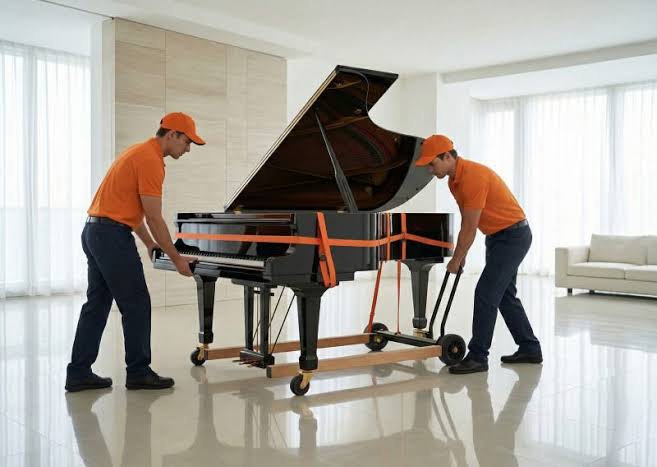
Grand pianos require particular care because their legs and pedal assemblies may need to be removed during transport.
How to reduce the risk: Avoid lifting the instrument by its legs, pedals or other vulnerable parts. Use suitable lifting equipment and trained handlers familiar with the piano’s design.
3. Damage to Keys and Internal Components
A sudden impact or excessive movement can affect keys, hammers, strings and other internal components. A piano may look fine from the outside but develop sticking keys, unusual sounds or playing problems after a rough move.
Repairs can be expensive, particularly if specialist attention is required.
How to reduce the risk: Keep the piano upright where appropriate, protect it from impacts and secure it properly inside the moving vehicle.
4. Tuning Problems After Transport
Pianos can go out of tune following a move because of changes in temperature, humidity, vibration and handling. This does not always mean the piano has suffered serious damage.
The instrument may need time to adjust to the conditions in its new location before a technician assesses its tuning.
How to reduce the risk: Avoid exposing the piano to sudden environmental changes. Once it has settled in its new room, ask a qualified piano technician whether tuning is needed.
5. Injuries During Lifting
Pianos are extremely heavy, and their awkward shape makes them difficult to control. An inexperienced team may strain their backs, crush fingers or lose control of the instrument while negotiating stairs.
Trying to move a piano with too few people or unsuitable equipment can increase the danger.
How to reduce the risk: Do not attempt a difficult piano move alone. Professional piano removalists can assess access, staffing and equipment requirements before the job begins.
6. Damage During Loading and Transport
An inadequately secured piano may shift when the vehicle brakes, turns or travels over uneven roads. This movement can cause impacts, scratches or damage to delicate components.
Poor positioning can also place unnecessary pressure on parts of the instrument.
How to reduce the risk: Use a suitable vehicle, protective materials and appropriate restraints. Discuss the piano’s size, weight and collection and delivery access with your removal team before moving day.
7. Problems Caused by Poor Storage
Leaving a piano in a damp, excessively hot or poorly ventilated area can affect its timber, finish and internal components. Humidity fluctuations may cause wooden parts to expand or contract, while unsuitable conditions can affect tuning stability.
If your move involves a gap between properties, storage needs careful planning.
How to reduce the risk: Choose a suitable storage arrangement and ask about temperature, humidity, ventilation and protection from moisture. Read our guide on when to use a storage facility during a renovation if your home is being renovated or your moving dates do not line up.
Should You Hire Professional Piano Removalists?
Professional help is worth considering when moving a grand piano, an antique instrument or a piano located upstairs. Experienced handlers can assess the access route, plan lifting positions and select suitable transport equipment.
Although some household moves can be managed with general removal services, pianos often need different handling methods from ordinary furniture. Our guide to piano moving versus furniture moving explains why these jobs can require different preparation.
When comparing piano removals Sunshine Coast providers, ask about their experience with your piano type, equipment, insurance arrangements and any additional charges for stairs or difficult access.
If you’re moving an entire household as well, a suitable Removalist Sunshine Coast team can help coordinate the wider relocation. You can also read our guide to house movers and packers on the Sunshine Coast for help planning the rest of your move.
How to Prepare Your Piano for Moving Day
A few practical steps can make the process easier:
- Measure doorways, hallways and staircases along the planned route.
- Remove loose items from the piano and keep the surrounding area clear.
- Tell your removal team whether the piano is upright or grand.
- Share details about stairs, tight corners, steps and driveway access.
- Ask how the piano will be wrapped, lifted and secured in transit.
- Arrange a suitable location before the instrument arrives.
For other large-item transport needs, Brocky’s Movers also provides local retail store delivery services on the Sunshine Coast.
Protect Your Piano with Careful Planning
Moving a piano incorrectly can lead to cosmetic damage, broken components, tuning issues and personal injury. Choosing suitable equipment, planning the route and using experienced handlers can reduce these risks. Before booking, explain your piano type and access requirements so the team can assess the job properly.
For help planning a household move or discussing furniture transport, contact Brocky’s Movers, based in Maroochydore, Queensland. Ask about your piano-moving requirements, available services and a quote before moving day.
Frequently Asked Questions
Q1. Can moving a piano damage its internal components?
A. Yes. Impacts, rough handling or unsuitable lifting methods can affect keys, hammers, strings and other internal parts. Careful handling helps reduce the risk.
Q2. Should I move a piano myself?
A. Small moves may appear manageable, but pianos are heavy and awkward to control. Professional assistance is recommended, particularly for stairs, tight spaces and grand pianos.
Q3. Does a piano need tuning after moving?
A. It may. Temperature, humidity and transport conditions can affect tuning. Allow the piano time to adjust to its new environment, then consult a qualified piano technician.
Q4. Can a grand piano be moved without removing its legs?
A. Depending on the piano and route, some disassembly may be necessary. A suitable moving team should assess the instrument and access conditions before deciding how to move it.
Q5. How do I choose a piano removalist on the Sunshine Coast?
A. Ask about experience with your piano type, protective equipment, transport methods, insurance arrangements and any extra costs for stairs or difficult access. Request a clear quote before booking.